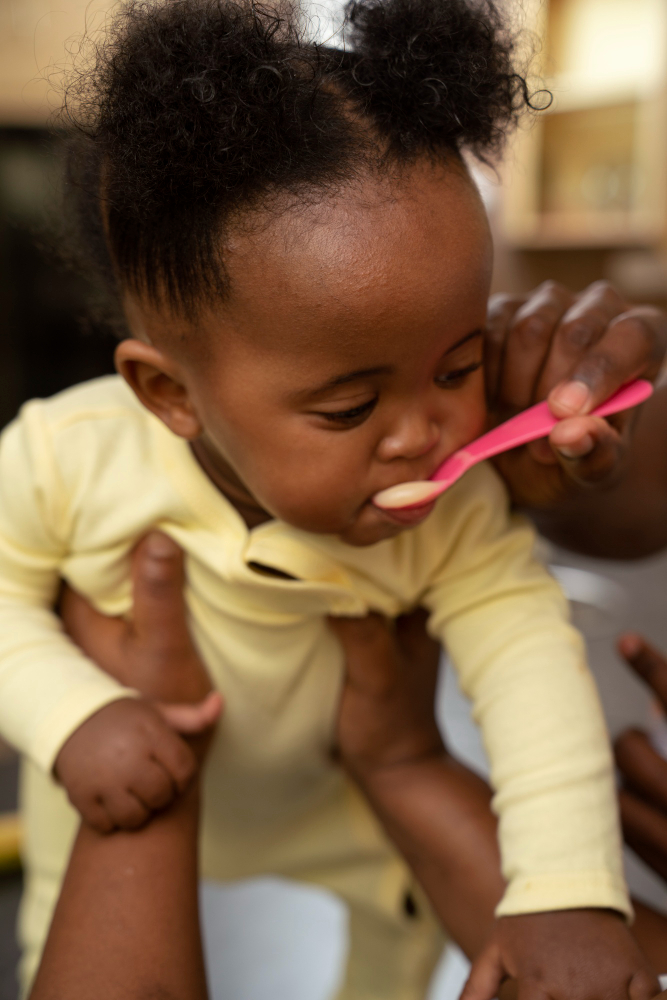
The tragic death of young Nkanu Nnamdison of Nigerian writer Chimamanda Ngozi Adichie, on January 6, 2026, has shaken the world. At just 21 months old, this little boy died after a brief hospitalization in Lagos, sparking profound emotion and reigniting a major debate: what are the failings of the healthcare system in Africa,and how do these faillings endanger the lives of the most vulnerable?
According to several international media outlets, baby Nkanu was admitted on January 6, 2026, to Euracare Hospital in Lagos for preliminary medical examinations, including a brain MRI and other diagnostic procedures, before a planned transfer to the United States for specialized care. Less than 24 hours after his admission, he died from complications, in circumstances that his family considers deeply irregular.
The renowned author accessed private messages she had written shortly after the event, in which she described her “worst nightmare”: “care that was allegedly marred by serious errors,” including the administration of an excessive dose of sedative and a lack of oxygen, which she said led to a fatal cardiac arrest.
In the days that followed, Chimamanda Ngozi Adichie’s family sent a legal notice to Euracare Hospital,accusing it of failing in its duty of careand requesting access to medical records, video recordings, and details of the procedures followed.
The governor of Lagos State, Babajide Sanwo-Olu, announced an official inquiry to shed light on the circumstances of the death and strengthen the accountability of healthcare facilities, emphasizing that human life must be protected by high standards of care.
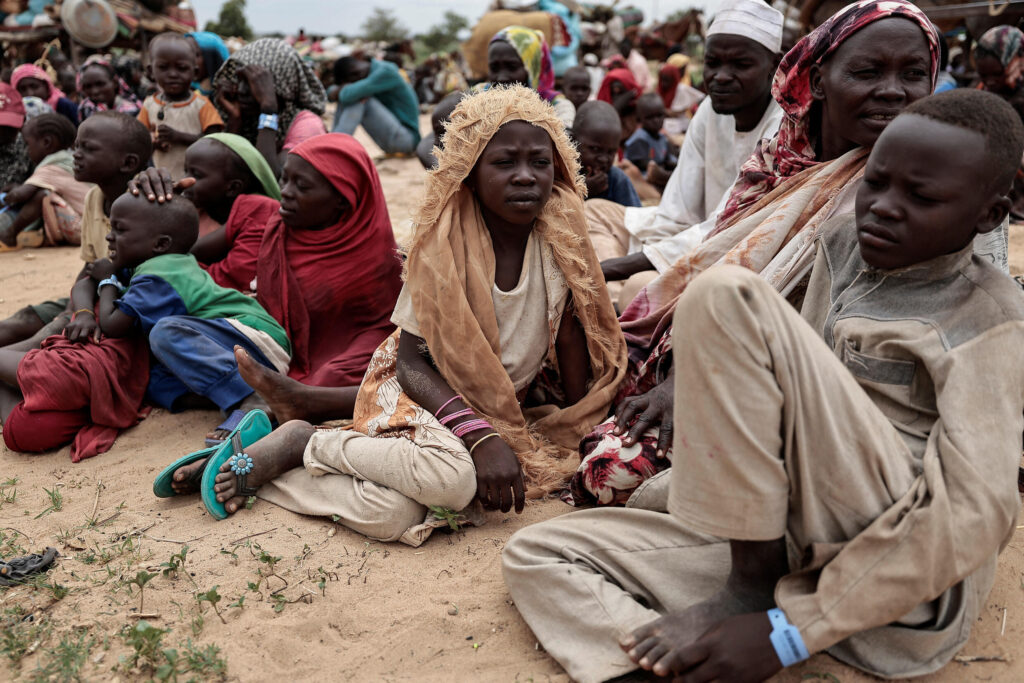
This individual tragedy highlights shortcomings in the African healthcare system that extend far beyond a single isolated incident. In several countries across the continent, the lives of children and mothers have been lost due to structural deficiencies, negligence, or a lack of adequate care..
In Cameroon, a particularly tragic case deeply affected public opinion: the death of Monique Alvine Koumaté, a 31-year-old woman pregnant with twins, lying on the steps ofLaquintinie Hospital in Douala because she allegedly did not receive timely care. Her sister, in despair, attempted to extract the twins herself with a blade, hoping to save them—but none of the three survived.The scene sparked national outrage and protests demanding answers and accountability from the healthcare system.
More recently, also in Cameroon, a pregnant woman died at the Bamenda Regional Hospital,according to witnesses who accuse medical staffof failing to provide adequate care,despite clear signs of danger to her life and that of her child.
These tragedies serve as a reminder that risk is not merely an individual matter, but often the result of breakdowns in healthcare systems,shortages of trained personnel, or inadequate institutional practices—all too common in African health systems. In other countries, such as Sierra LeoneSierra Leonecases where women were left without essential care because they could not pay, leading to the death of newborns or serious complications.
When pregnant women and their babies do not receive the urgent care they need, it is not just a personal tragedy— it is a testament to the structural flaws that continue to claim lives.In a context where every minute counts, the lack of equipment, staff, or effective protocols literally becomes a matter of life or death.
The death of baby Nkanu, so profoundly human and devastating, sounds like an urgent call for reform. The shortcomings in the African healthcare system failings of the healthcare system in Africa are not just cold statistics: they take shape in losses like that of a child, and underscore the urgent need to invest in safer, more transparent, and accountable healthcare systems.
For any society that claims to protect children, it is essential to question, understand, and act to ensure that tragedies of this kind are never repeated. This requires a commitment from public authorities, healthcare professionals, but also from civil society and the general public.
Watch below a report that explores how this tragedy highlights the challenges facing the healthcare system in Nigeria and across Africa